Labour Hire Compliance and Safety: AI-Driven WMS
Improve labour hire compliance and safety with an AI-driven WMS. Track licences, inductions and worker records in one place for safer, audit-ready placements.

Share this article
Streamline your frontline operations
See how WMS simplifies scheduling, compliance and workforce management in one powerful platform.
Labour Hire Compliance and Safety: AI-Driven WMS
All labour hire workers come to a site that they have never worked on before, and details of safety and documentation cannot be taken for granted. The right records, training and visibility are key to good labour hire compliance and safety. This guide demonstrates how AI-powered tools can help to safeguard workers and fulfil their obligations.
Improving Safety in Labour Hire
Labour hire workers are a particular group who face a special challenge. They frequently share a tour of different businesses they're working for, and work with people they don't know. This is why the first thing that needs to be done in planning for safety is done before the shift, not after.
Australian work health and safety legislation imposes responsibility on both parties to ensure a worker's safety, and the duty to ensure safety cannot be delegated. A workforce management system assists this by ensuring that all training, licences and site information of every worker is stored in one place, ensuring that nothing is lost if a placement changes.
Good labour hire compliance and safety also requires good communication between the provider, host and worker. Providers must ensure that the requirements are up to date, as per the work health and safety regulator in their state or territory.
Shared Duties With Host Businesses
This should be agreed between the provider and host. This involves site inductions, supervision, equipment reporting and incident reporting. Clear records and written agreements will avoid confusion in the event of a problem. Workers are also more at ease in knowing whom to contact, and hosts can be sure they are not getting an item that has already been inspected by the provider.
Safer Placements From Day One
The provider can verify the worker's skills and that they have the appropriate tickets before the worker begins. A frequent incident is sending an untrained person to a job that requires a licence. Matching people to the right job can keep everyone on site safe and help the host to have faith in the placement.
Worker Induction and Safety Training
Each new location is different with its own hazards, rules and emergency plans. These are explained in an induction before work commences. Workers also need to have a general construction induction card (white card) on construction sites.
Training can't end on the first day! Knowledge is kept up-to-date through toolbox talks, refresher courses and task instructions. A single record of the training enables a provider to provide evidence of who has been trained, by whom and when.
Digital Induction Records
Inductions may be undertaken and signed off via a phone call, with date and time. Eliminates lost paper forms and late data entry. Everyone is on the same page, as hosts can check that the worker is inducted before reaching the gate. Refresher training (e.g., first aid) can be recorded in the same reminder.
Managing Worker Licences and Certificates
Labour hire companies have a multitude of roles, and each role could require a different ticket. Forklift operators must have a high-risk work licence. Electricians are required to have a trade licence. A First Aid Officer should have an up-to-date first aid certificate. In case of an unannounced expiration, the worker can be required to cease work, and the provider might be subject to penalties.
These difficulties can be avoided by maintaining a clear list of who holds it or who doesn't have a right to it and when it concludes. A list of common checks is provided below, and the appropriate notes to take are indicated in the table.
| Check | Why It Matters | What to Record |
|---|---|---|
| Site induction | Workers must know site rules before starting | Date, site and sign-off |
| Safety training card | Shows basic safety knowledge | Card type and issue date |
| High-risk work licence | Needed for tasks such as forklift or crane work | Licence class and expiry date |
| First aid certificate | Supports a fast emergency response | Course date and expiry date |
| Incident follow-up | Shows that lessons were learned | Report date and actions taken |
Expiry Alerts That Prevent Gaps
Alerting 60/30 days prior to the end of the licence provides workers time to renew their licences. No more chasing paperwork for managers, and fewer employees are being pulled out of shifts at the last minute. A more predictable service is provided to clients. The tasks can also be linked to the need for tickets, making it very clear to the managers who are qualified.
Labour Hire Compliance with WMS
Labour hire compliance extends beyond just one aspect; it encompasses many areas such as safety responsibilities, licensing requirements, wages and records. Rules vary across Australia, with some States and territories also requiring labour hire providers to be licensed, for instance Queensland, Victoria, South Australia and the ACT.
With a WMS, one place for workers to store their records, roster information and compliance checks. Managers can easily view who is ready to work and who needs attention. Providers should also consult the relevant regulator to find out their requirements.
One Place for Compliance Checks
Records, tickets and inductions are all kept in each worker's profile. Managers need not open multiple files to obtain an answer. Audits are less hectic as evidence is ready. All users, from the office to the site supervisor, can see the same up-to-date information, and hosts can be provided with proof in no time.
Rostering Only Qualified Workers
Rosters can alert if a worker is missing a necessary ticket prior to the shift. This reduces the possibility of the arrival of an unqualified person at the site. It also ensures the provider's reputation with clients, as they always expect safe and reliable placements, and last-minute modifications will also be expensive.
Using AI to Monitor Workplace Safety
The definition of AI is computer programmes that can discover patterns in huge quantities of information. AI is meant to assist humans and not to take the place of drawing on your knowledge and experience as a supervisor. It can, for instance, check attendance/hours and present to the workers information for those who are nearing long shifts.
Also can identify sites that have a history of being late and/or working unusually long hours. Australian privacy laws require the care of workers' personal information. Labour hire workers should be informed about how their data is being utilised and only be allowed to access it if it is necessary.
Spotting Fatigue Risks Early
Working long shifts and having short breaks increases the risk of errors and injuries. Reports can indicate who are working back-to-back shifts or near their weekly limits. This enables managers to fine-tune the roster before someone is exposed to becoming unsafe. A well-rested worker makes better decisions, and that helps to protect the entire site.
Flagging Unusual Patterns
Overtime and/or changes of jobs and/or missed clock-ins can be flagged for review. Then someone makes a choice as to what action is required. This allows individuals to have control and AI to save time. It can also assist managers in identifying the source of a problem or make it easier to pinpoint a problem, such as poor planning, before it turns into an incident.
Keeping Worker Records Up to Date
Records will be the evidence of compliance. These consist of contact information, emergency contacts, qualifications, inductions, hours worked and incident reports.
If information is not readily available and/or is fragmented, providers are unable to respond to basic questions, like who was on site last Tuesday? Good record keeping includes data entry, data changes as necessary, and data safety.
Audit-Ready Files
Auditors and clients can request them on relatively short notice. With files sorted by worker and site, managers have the ability to share as much as they need in minutes. All emergency contact details should be included in each file so that the appropriate person can be contacted immediately should a worker be injured. This demonstrates that a provider is serious about his or her responsibilities.
How AI Improves Safety and Compliance
AI can be utilised effectively to minimise manual verification and accelerate decision-making processes. Can read dates of records and remind people before the dates expire.
Can summarise reports for managers to view the key issues. Records should be accurate and complete for AIs to be as good as the information they rely on. It is always important to check on a decision, especially if you're taking away a worker from a roster.
Fewer Missed Deadlines
Reminds you to renew automatically to minimise missed renewals. Staff have less manual checking to do with regard to dates, and workers are notified on time to take action. The fewer the number of expired tickets, the fewer workers pulled from shifts. The managers can also see the upcoming renewals throughout the team, making planning easier.
Clearer Reports for Managers
Short summaries give an idea of the need for action on the sites and those that are progressing. Leaders can pay attention to real issues instead of poring through data. This will make safety meetings more effective and assist teams to reach consensus on the steps to take. Clear reports also help to articulate results with clients.
Making Compliance Easier with WMS
Compliance is more burdensome if it's a month-long task. It is easier when small jobs are accomplished on a regular basis. This is a habit that is facilitated by a WMS. Employees log on using a cell phone, sign on electronically and get alerts. Managers have all hours approved and expired and check rosters in one location.
WorkforceMS started in the construction sector, where teams work in a number of different locations and accuracy is paramount for records. That is an experience that meets the requirements of labour hire teams that operate in the same fashion.
Less Paperwork for Managers
Data is fed in once and retrieved multiple times. No re-typing of hours, tickets and inductions. By eliminating the time required to spend on documentation and answering questions, managers are able to visit sites and assist workers more. The workers also see their shifts, their tickets and reminders on their phones, and this makes the tools easy to use – even for those who are not tech-savvy.
Future of Labour Hire Safety in 2026
Labour hire safety is evolving as there is growing transparency between regulators, clients, and workers. Providers are being demanded more and more to demonstrate training and licensing of workers prior to their arrival at the host.
Providers that are successful in 2026 will be more likely to be good at keeping good records, using AI sensitively and maintaining the focus on people and safety at the centre. Leaders and supervisors are important in creating a culture of care that will give a strong foundation to a workforce management system. Good labour hire compliance and safety will continue to be a 'trust mark'.
Higher Client Expectations
People don't want to be sold on something; they want proof of something. They request documentation of training records, licences and incident histories prior to hiring workers.
Providers who can respond rapidly and with a positive outlook will likely win the business even though they may have had some questionable records. In addition, the host(s) might want to learn how a provider's incidents are reviewed and how the lessons learned are shared with the team.
Responsible Use of AI
Care must be taken in the use of AI, including guidelines on privacy and fairness. Workers should be aware of what/why is being collected. Trust and safer sites are fostered by honest communication. The job of a person is to review any decision that impacts a worker, not that of a programme.
Ready for Safer, Simpler Placements
Labour hire compliance and safety is based on good daily practice – licences checked, workers trained and records you can believe in. WorkforceMS has the ability to maintain this work in an organised manner and make it ready for any audit. Schedule a demo today and find out just how easy safer placements can be!
Optimise your operations with WMS
Streamline scheduling, compliance, and workforce management in one platform.
Frequently Asked Questions
It's about doing what is legally required and ensuring that workers are safe on all placements. This includes training, licensing, inductions, and accurate records.
The labour hire provider and the host business share the responsibility for safety. Each should be aware of its duties and keep notes of its activities.
Keep track of white cards, high-risk work licences, trade licences and first aid certificates. Write down all the expiration dates, or it will be forgotten.
A WMS maintains worker records, inductions and tickets in the same location. It also sends out reminders, and that way managers can only roster qualified workers.
No, AI will only assist individuals by raising alerts and sending reminders. Final decisions on safety are still made by supervisors.
Clients are now requiring proof of training and licences prior to workers' arrival. Good records create confidence and attract and retain work.
Related Articles
Explore more insights on workforce management, compliance, and operations.
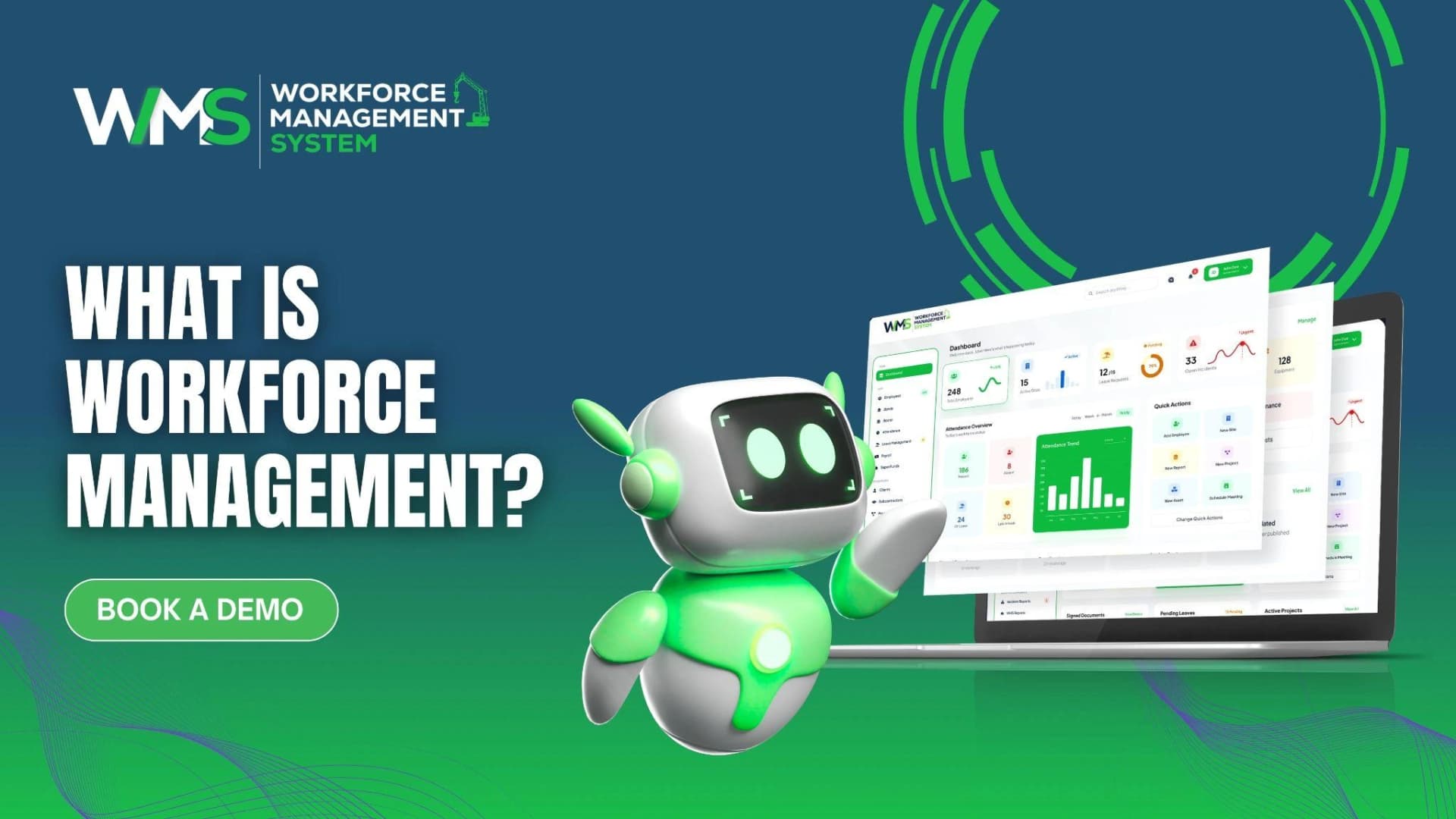
What Is Workforce Management?
Explore workforce management, its key responsibilities, and how it helps construction, NDIS, healthcare, labour hire, trades, security, and cleaning teams.

Muhammad Asim
19 Oct 2026
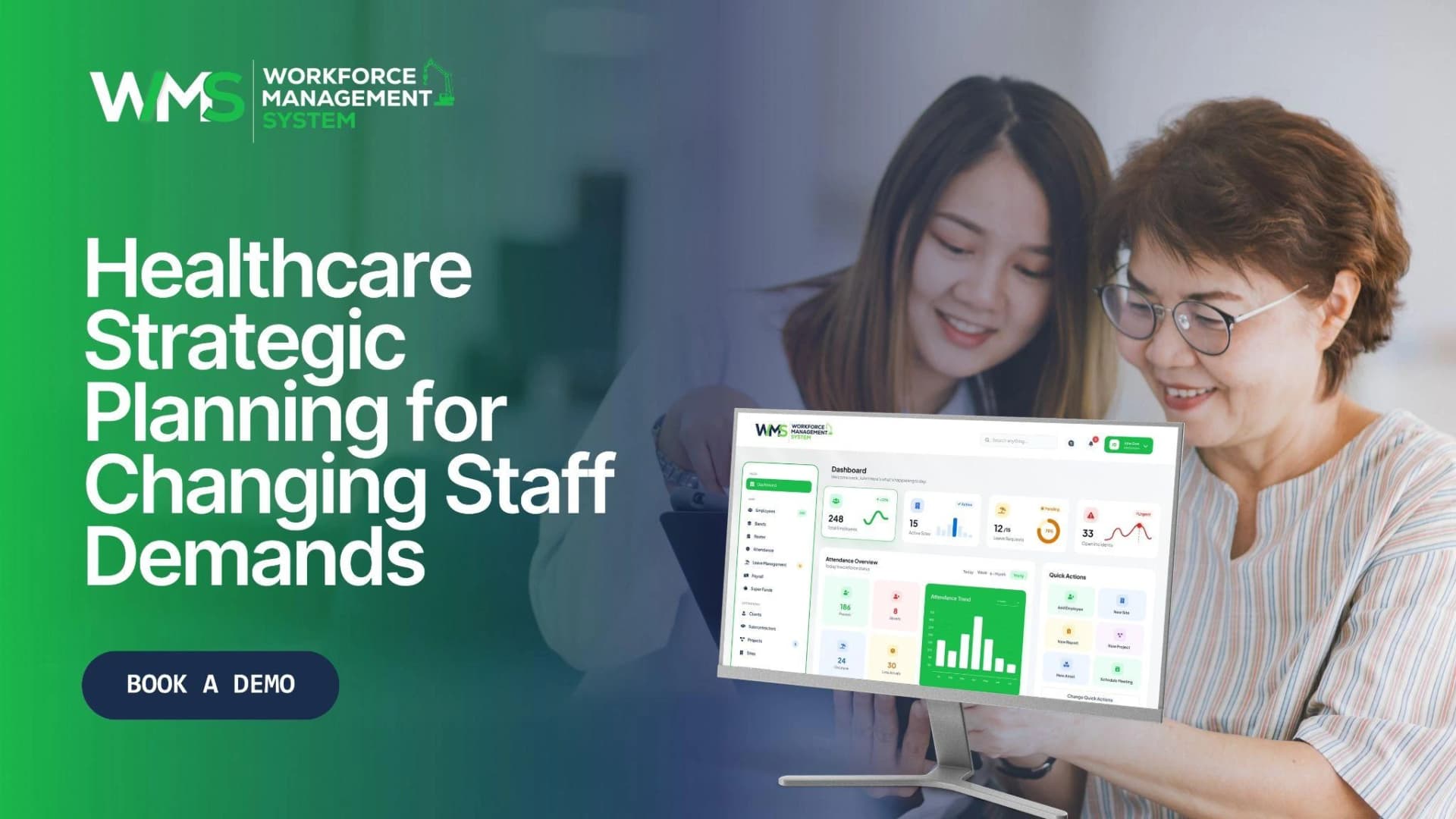
Healthcare Strategic Planning for Changing Staff Demands
Plan rosters, leave and skills for busy and quiet seasons with WorkforceMS. Strengthen healthcare strategic planning and keep care steady all year round.
Muhammad Asim
15 Oct 2026
Trades and Field Services Job and Invoice Management
Book jobs, record on-site hours, and send accurate invoices with WorkforceMS. Simplify trades and field services job and invoice management and get paid faster.
Muhammad Asim
14 Oct 2026
Ready to secure your operations?
