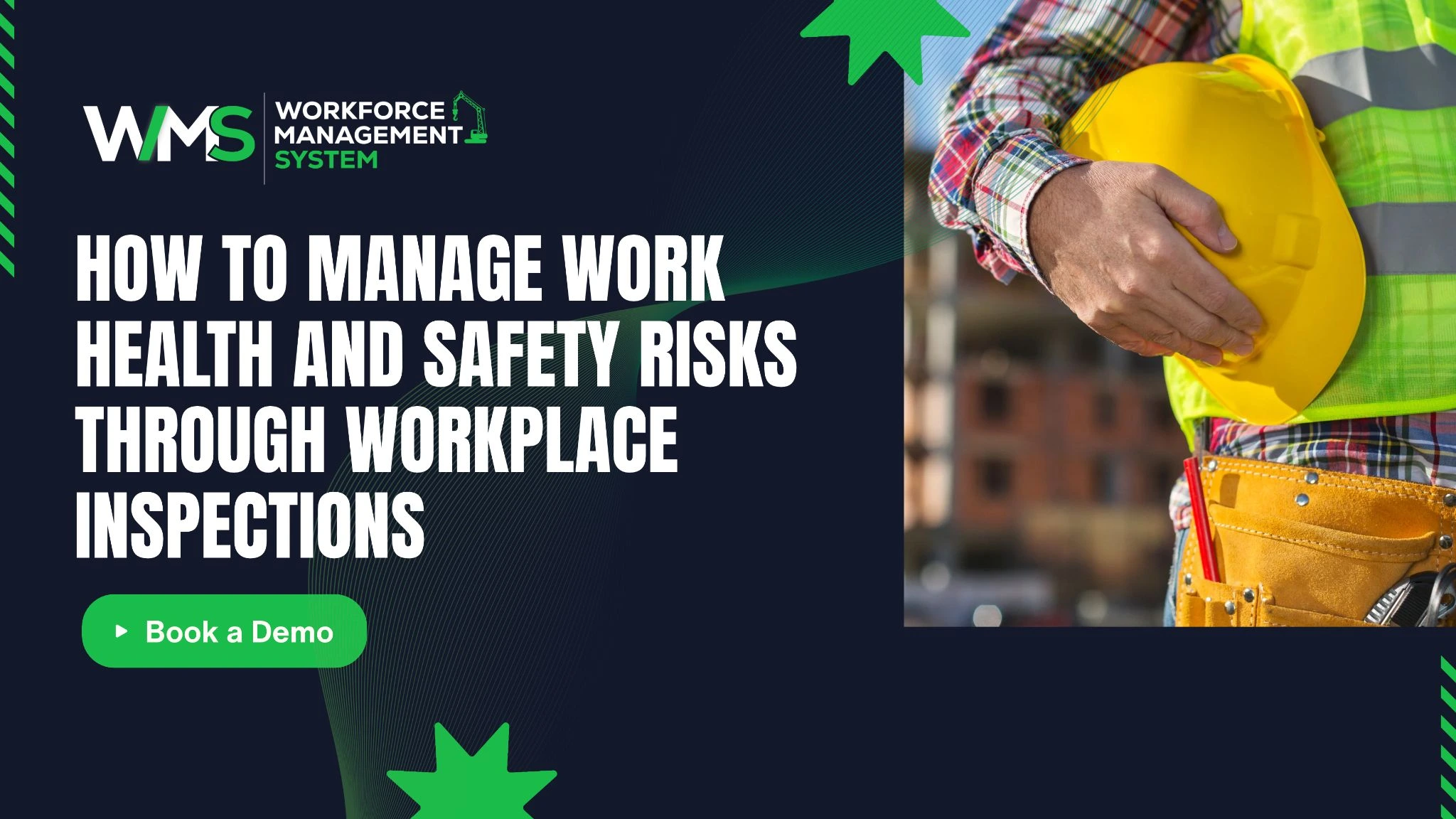
How to Manage Work Health and Safety Risks Through Workplace Inspections
Learn how to manage work health and safety risks with routine checks, hazard spotting, clear records, shared team duties and regular reviews of results.

Share this article
Streamline your frontline operations
See how WMS simplifies scheduling, compliance and workforce management in one powerful platform.
How to Manage Work Health and Safety Risks Through Workplace Inspections
Rather, a safe workplace occurs as a result of proactive measures taken by the employer. When things go wrong, regular inspections can help managers to identify the issue early, quickly correct the issues and prevent harm to the worker. This article outlines the importance of recognising the work health and safety risks and keeping them under control by carrying out checks, keeping records and having everyone in the team and on the site share the responsibility.
Routine Checks for Workplace Safety
Safety becomes a habit when it's done routinely. With a short, planned inspection, the risk of injury can be prevented by identifying unsafe equipment, blocked exits and unsafe behaviour through the inspection process. Regular inspections also make the employees aware that safety is the concern of the business each day. Small steps are taken regularly, which help prevent serious incidents later.
Build a Simple Inspection Routine
Determine what will be monitored, frequency and who will monitor it. Daily walk-arounds would be appropriate for busy sites, and weekly or monthly inspections may be appropriate for offices. Have a short checklist to ensure inspectors all view the same items, in the same sequence and apply the same criteria. Make the checklist short otherwise no one is going to make use of it.
Take account of the role of workers and health and safety representatives in inspections. They are aware of the work best and frequently may be aware of hazards that managers may overlook. Arrange for checks to be conducted at various times and shifts to see the whole picture, such as night shifts and busy times. The experience helps them to make accurate and practical inspections.
Work Health and Safety Risks in Daily Operations
All workplaces are risky, whether it's slipping or falling, manual handling, machinery, chemicals or fatigue. For each task, knowing the risks involved will help managers direct their inspections in areas where harm is likely to occur. In Australia, these risks are to be addressed by businesses as far as reasonably practicable. With clear understanding, prevention is easier and cheaper.
Know Your Main Risk Areas
Analyse tasks, equipment, work patterns and work layout to determine where personnel may be at risk from injury and/or ill-health. Consider psychological hazards like high workload, poor support or aggressive behaviour. A risk register is a simple tool which can be used to prioritise issues based on likelihood and seriousness. Use the hierarchy of controls to make decisions about what to do.
The first line of defence in eliminating a hazard is to replace it; engineering controls, administrative changes and protective equipment are the next best options. Please contact your State safety regulator to confirm your legal responsibilities regulations vary from State to State in Australia. Improved knowledge and training are not a sufficient method to control significant hazards.
Spotting Hazards and Unsafe Conditions
If one looks closely, hazards are often readily visible. Examples include spills, frayed cords, lighting and walkways that are cluttered. Good inspectors are aware of what to observe, ask questions and are vigilant for any changes that could be indicative of larger issues. With practice, this skill is sharpened over time.
Quick Hazard Table
Keep inspections focused with the help of a table, such as the one below. Connects each hazard with an example and typical first action. Modify it to suit the work environment, including hazards that you may have in your industry, like vehicles, heights or confined spaces. Make a copy to have on hand for easy reference.
| Hazard | Example | First Action |
|---|---|---|
| Slips and trips | Wet floors, loose cables | Clean up and mark area. |
| Electrical | Damaged leads | Remove from use |
| Manual handling | Heavy lifting | Use aids or team lift |
| Fire safety | Blocked exits | Clear and report |
Discuss issues with workers on inspections. Inquire about close calls, cumbersome jobs or equipment that is defective. These discussions can uncover risks which the checklists don't highlight and help establish a relationship of trust between inspectors and staff. Listening is one of the most effective inspection tools.
Recording Issues and Safety Actions
The value of an inspection is only enhanced by recording and acting on findings. There is evident indication of what was discovered and who was responsible and when it was corrected. They are also able to help with audits, investigations and continuous improvement in the business. Reasonable steps can also be demonstrated by good records.
Make Records Clear and Useful
Write the date, location, hazard, level of risk and action required! Include pictures if available; pictures help to clarify problems. Give each action a "named person" and a "due date" and make sure there are no actions without owners. Simple templates help to save time and to ensure consistency.
Monitor what happens until the actions are closed and ensure that fixes are working. Inform managers regularly of overdue items. Digital records are much simpler to search and share than paper records, and can help prevent lost or illegible notes. Closing the loop makes people in the workplace understand that reports are important.
WMS for Staff Safety Scheduling
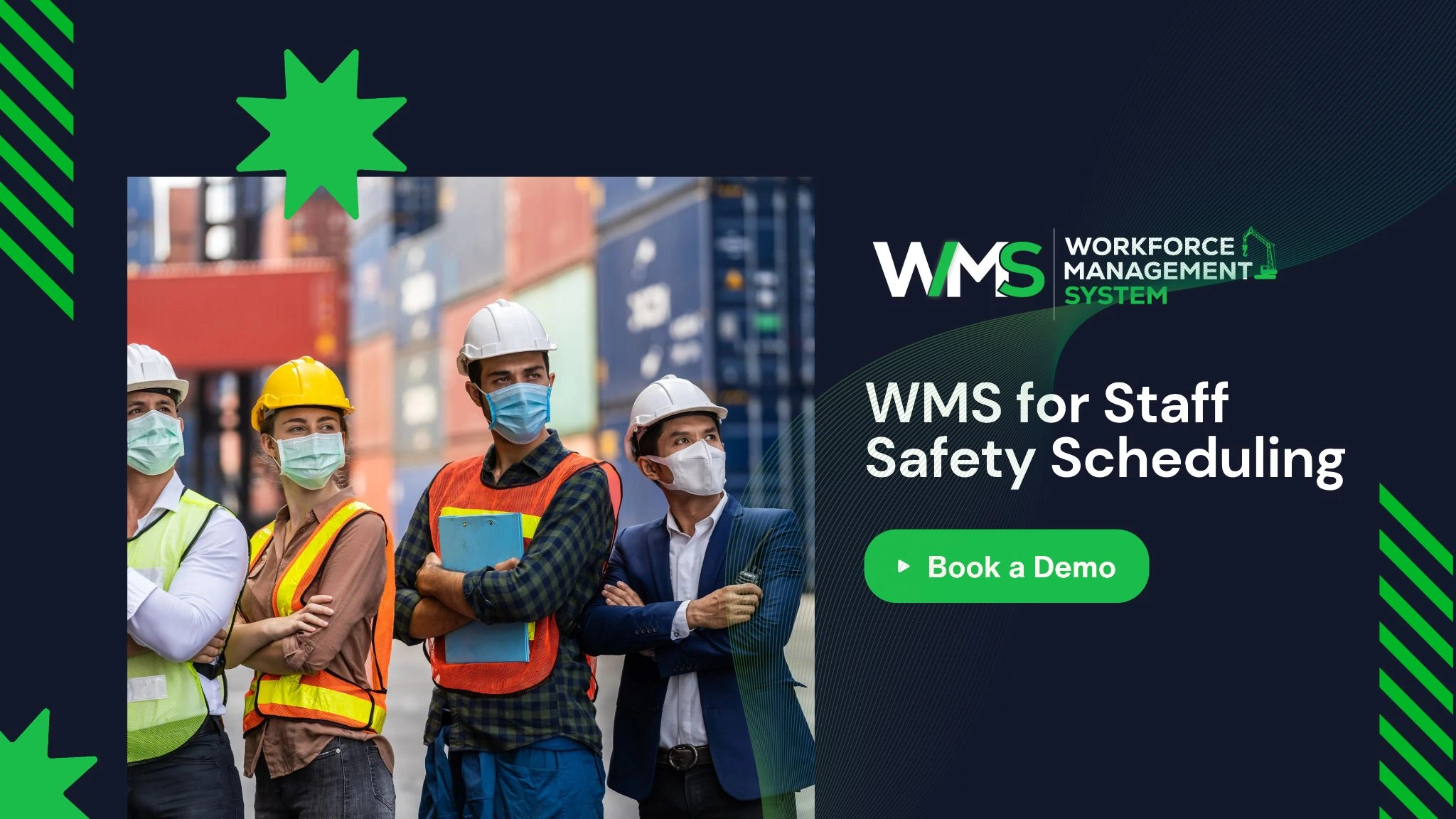
Safe work requires the necessary individuals, skills and time. By scheduling digitally, managers can ensure that inspection schedules are planned, training schedules are up to date and that no one is overworked or working poorly planned shifts. Makes safety planning a part of the normal rostering process. When you plan, you won't make hasty decisions and mistakes.
Built on Construction Experience
Originally coming from the construction industry, WorkforceMS has been established to ensure safety checks, site inductions and licences are routinely carried out.
This experience shaped the tools used to roster, track attendance, and manage compliance records, and it has led many other industries to use this tool, particularly across Australia where safe, well-organised operations must be proven. Well-documented and reliable service through the same discipline.
Scheduling Safety into Rosters
A WMS consolidates the rosters, timesheets, licences and training records into a single view. A workforce management system is also able to assist managers with the assignment of inspections, tracking of expired tickets and preventing workers from being rostered over their safe working hours. Clear records will help to demonstrate that tasks have been completed. Managers' time is saved in chasing paperwork, and more is dedicated to prevention of harm.
Safety Responsibilities Across Work Teams
It is the responsibility of everyone to be safe. All managers, supervisors, workers and contractors have roles to play, and each needs to be aware of their responsibilities. Clear Responsibilities eliminate gaps, minimise confusion and ensure everyone can act quickly when something is amiss. The key to everyone's benefit is to have simple and clear expectations.
Who Does What
Provide safe systems, equipment and training from business owners/managers. Work is being supervised to ensure safety and problems are followed up. Staff carry out tasks as directed, use equipment properly and report hazards. Contractors or visitors should also adhere to the guidelines and protocols of the site and be aware of emergency procedures.
During peak times, clear roles help to minimise confusion. Consultation matters. Include workers in the selection of measures or changes to procedures they know the details of the work. Toolbox talks and team meetings ensure that safety is on the front burner and promote dialogue and brainstorming around issues and ideas. Workers support changes that workers help to develop.
Employee Duties and Safe Practices
All workers have a legal responsibility to take reasonable care of their own health and safety and to prevent them from harming others. Knowing these responsibilities and safe working procedures will keep the whole team safe. Supervisors need to communicate and set clear expectations, and demonstrate positive behaviours. Clear expectations facilitate good habits!
Everyday Safe Habits
Safe Practices involve wearing necessary protective clothing, maintaining a clean work area, using tools properly and adhering to lock out / isolation procedures. Staff must stop work and raise concerns if they have safety concerns. Near-miss incidents are reported to avoid injuries in future. Positive feedback helps to reinforce everyone's good behaviour. Training should be relevant, frequent and documented.
New starters require induction, and all staff require refreshers when there are changes in tasks, equipment or rules. If there is a document that has been written, it's better to have shorter and easier-to-read instructions and demonstrate the steps than to have a long document that is never read. Skills will be practised regularly to keep skills fresh and confidence high.
Key points to remember:
- Regularly check using a well-defined list of items.
- Identify and use hierarchy of controls for risks.
- Make a note of all the problems with owner and due date.
- Have staff participate in inspections and decision-making.
- Ensure training and licence are up-to-date.
- Check out the outcomes and record the process.
Reviewing Inspection Results
The outcome of the inspections can be analysed to determine if the inspections are detecting actual issues, and if the fixes are effective. Analysing the data can identify focus points to be attended to, trained or invested in. If we have a positive tone and a learning-focused review, then it helps us to be honest. Develop a better safety culture with honest feedback.
Learn from the Data
Identify the repeat hazards, actions overdue, near-miss trends and areas with a low number of reports. Make comparisons among sites, teams and shifts with the same measures.
Discuss with staff what has been learned and outline the changes that will occur as a result of their reports; make sure that they see that their reports make a difference. Little changes (improvements) make a significant difference throughout the company.
A WMS report to monitor the completion of inspections, attendance and training status will speed up inspections and ensure a more accurate process. Ensure checklists and procedures are regularly updated at least once a year or more frequently if there has been any incident or change to equipment, layout or legislation. Instead of rushing through reviews, they are a regular occurrence.
Conclusion
Handy for managers to have regular inspections so they have the picture on the ground. It is best practice to manage work health and safety risks routinely, with clear records, and have everyone understand their respective responsibilities. Have a simple checklist, follow up on the findings and check the results frequently.
Optimise your operations with WMS
Streamline scheduling, compliance, and workforce management in one platform.
Frequently Asked Questions
This will vary based on the job. High-risk sites may require daily inspections, and offices may have weekly or monthly inspections. Please follow the advice of your state's regulatory agency.
Machines get worn out, layouts change and new jobs start. By doing a regular walk-through, you discover these changes at an early stage when they are not likely to result in harm to anyone and/or when they are easily fixed which is much cheaper than repairs after damage.
They can be attended to by supervisors, health/safety representatives and trained workers. Various individuals will notice various issues, and this will give a greater idea of the local situation.
Record the date, location, problem, risk rating, responsible person and due date. The pictures help, and each time an action is closed, it is proof that the problem has been resolved.
Eliminate the problem if possible; otherwise utilise guards, safer procedures, training and protective equipment. Seek the input of workers as they know the work best.
WorkforceMS handles all rosters, licences, training information and attendance in one place, letting managers assign tasks, view and find expired tickets and prevent unsafe working hours.
Related Articles
Explore more insights on workforce management, compliance, and operations.
Field Service Route Optimisation with GPS-Based Job Allocation
Learn how field service route optimisation uses GPS job allocation to cut travel time, match technicians to nearby tasks and improve scheduling and reviews.

Muhammad Asim
24 Nov 2026
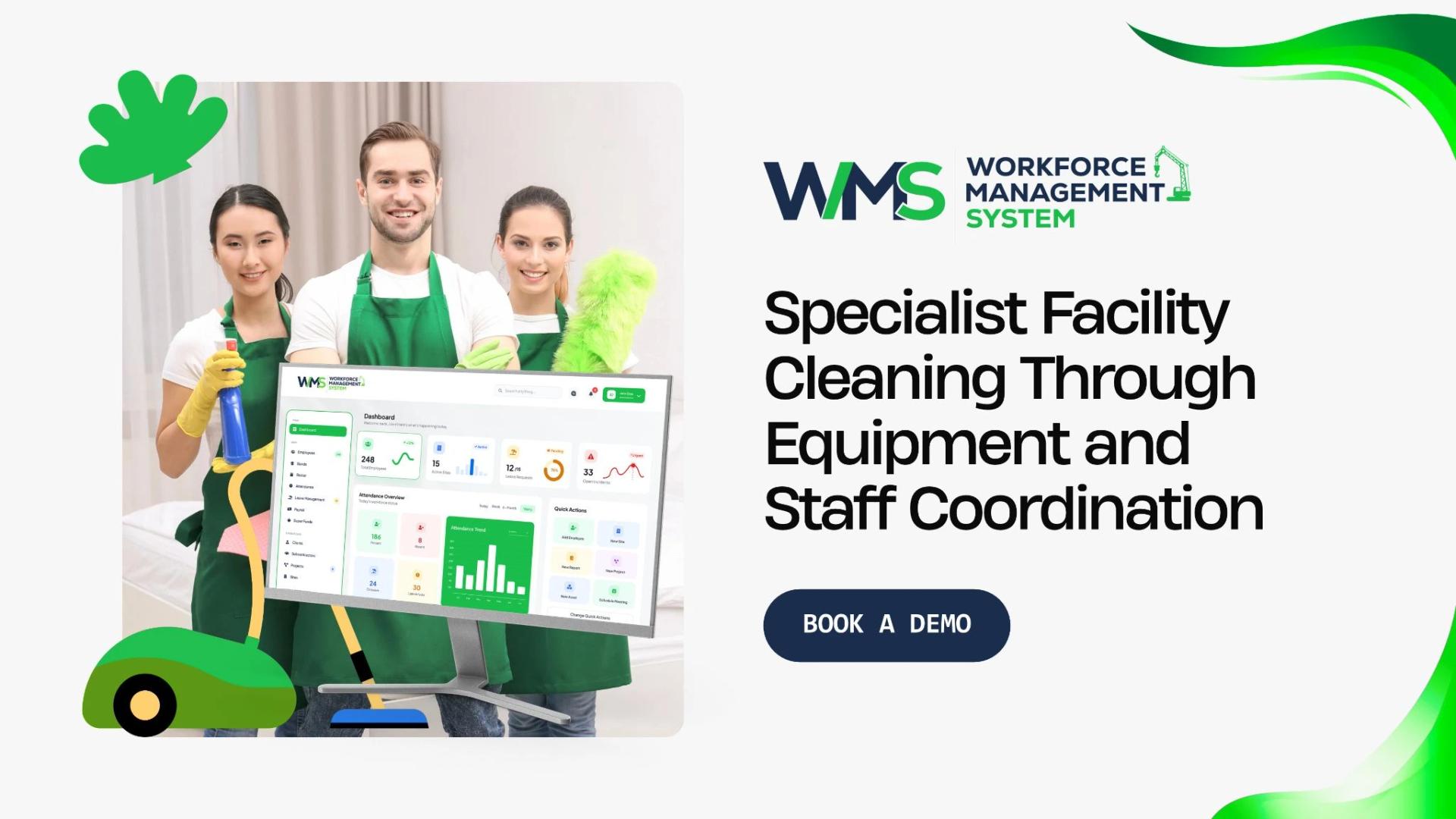
Specialist Facility Cleaning Through Equipment and Staff Coordination
Learn how specialist facility cleaning improves with task planning, suitable equipment, staff allocation, supply control, maintenance and quality reviews.
Muhammad Asim
23 Nov 2026
Facilities Emergency Management for Service Continuity During Emergencies
Learn how facilities emergency management protects people and keeps services running, from critical building services and staff duties to recovery and reviews.
Muhammad Asim
20 Nov 2026
Ready to secure your operations?
